The onset of winter causes depression among some people I know, including one or two gardeners. For some it is autumn (sensibly termed Fall by the Americans) that brings thoughts of decay and dying in the plant world: hibernation for some animals, the loss of many birds to migration. For others it is the prospect of rain, ice, snow, and brutal gales, sometimes followed all too literally by a hard winter.
I used to think this way, but I don’t any longer, and I have been wondering when that change came about. I am convinced it grew out of experience — of gardening itself.
Trees do not drop their leaves in failure; they shed them deliberately, in response to shortening days, as the first step in renewal. That is what the word deciduous means. Even while this is happening, farmers’ winter wheat is germinating and growing. A robin sings its autumn song — quite different from its spring one — to defend its winter feeding territory, giving us hope like Thomas Hardy’s The Darkling Thrush.
In the garden, there is plenty of activity under the ground. Plant roots are busy storing nutrients and moisture, and many produce natural antifreeze compounds. Worms, fungi, and microorganisms break down fallen leaves and enrich the soil.
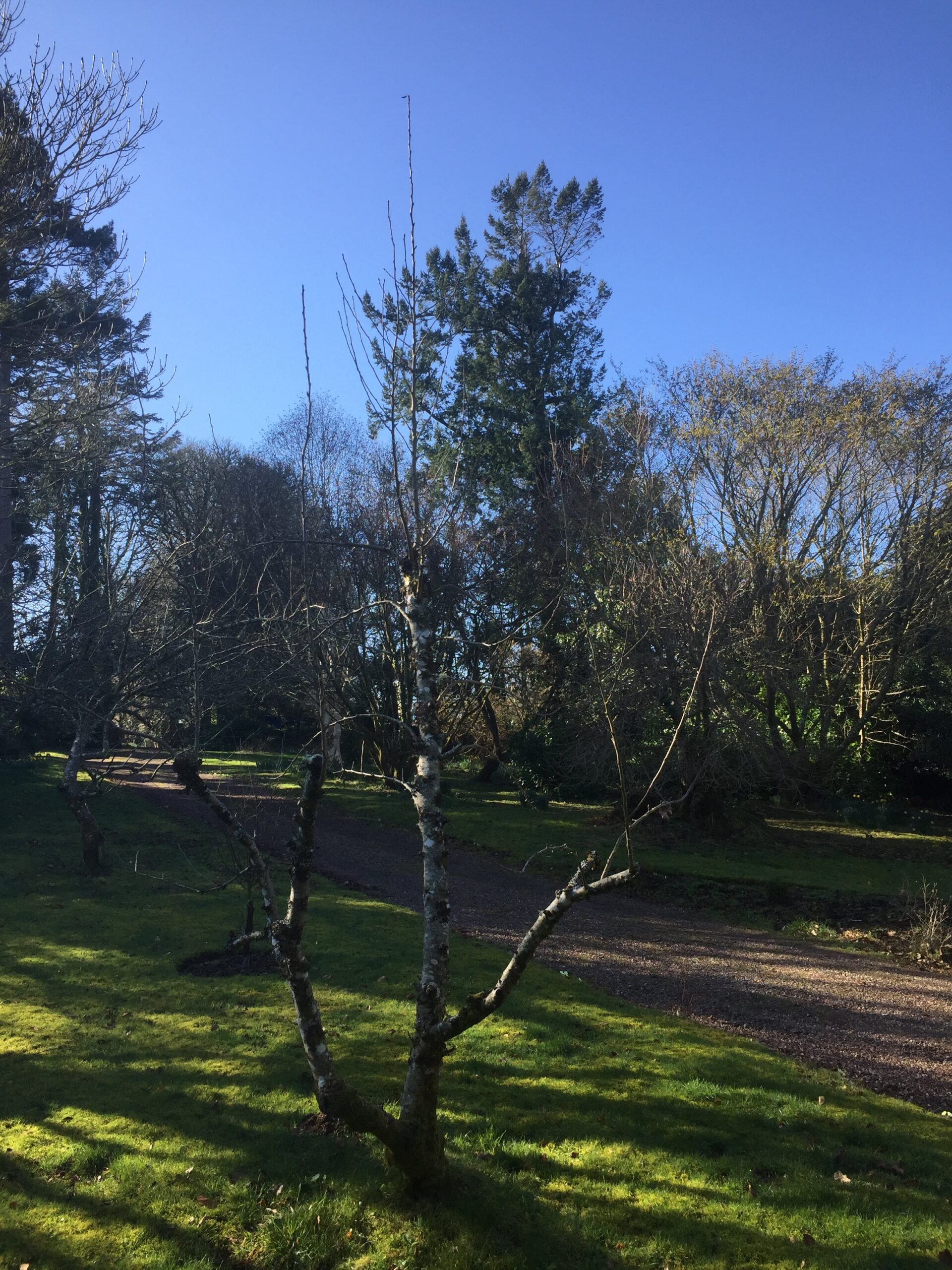
Above ground, too, winter is anything but inert. It is the ideal time to prune many trees and shrubs – wisteria and apple trees among them. Roses are best planted as bare roots in winter, allowing them to establish properly before spring. Many seeds can be started now, from sweet peas to tomatoes. Almost all flowers are white or yellow, so as to be highly visible to scarce pollinators like flies and bees. There is scent in the garden as well: plants such as Daphne, Sarcococca, and winter jasmine (Jasminum nudiflorum).
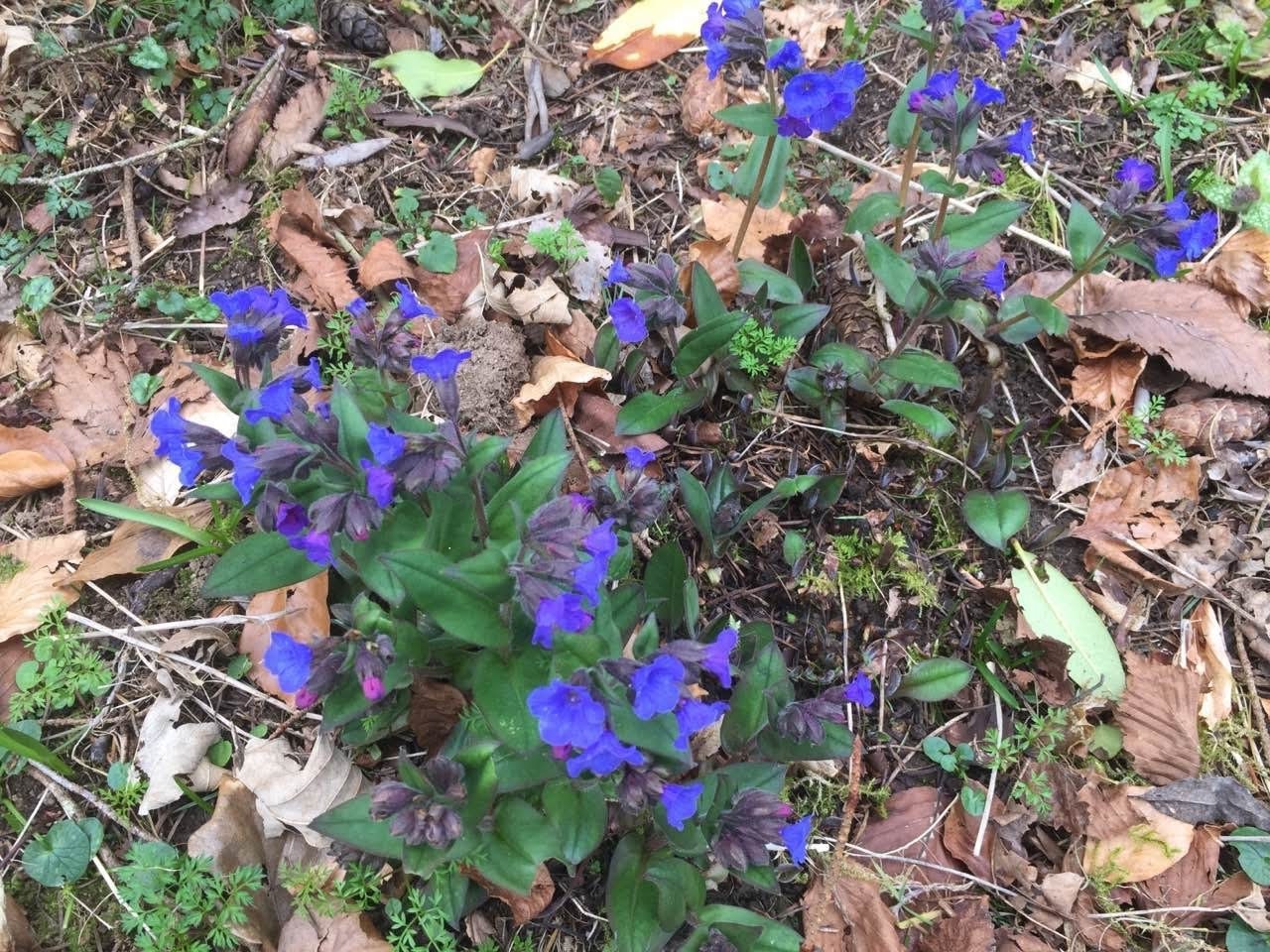
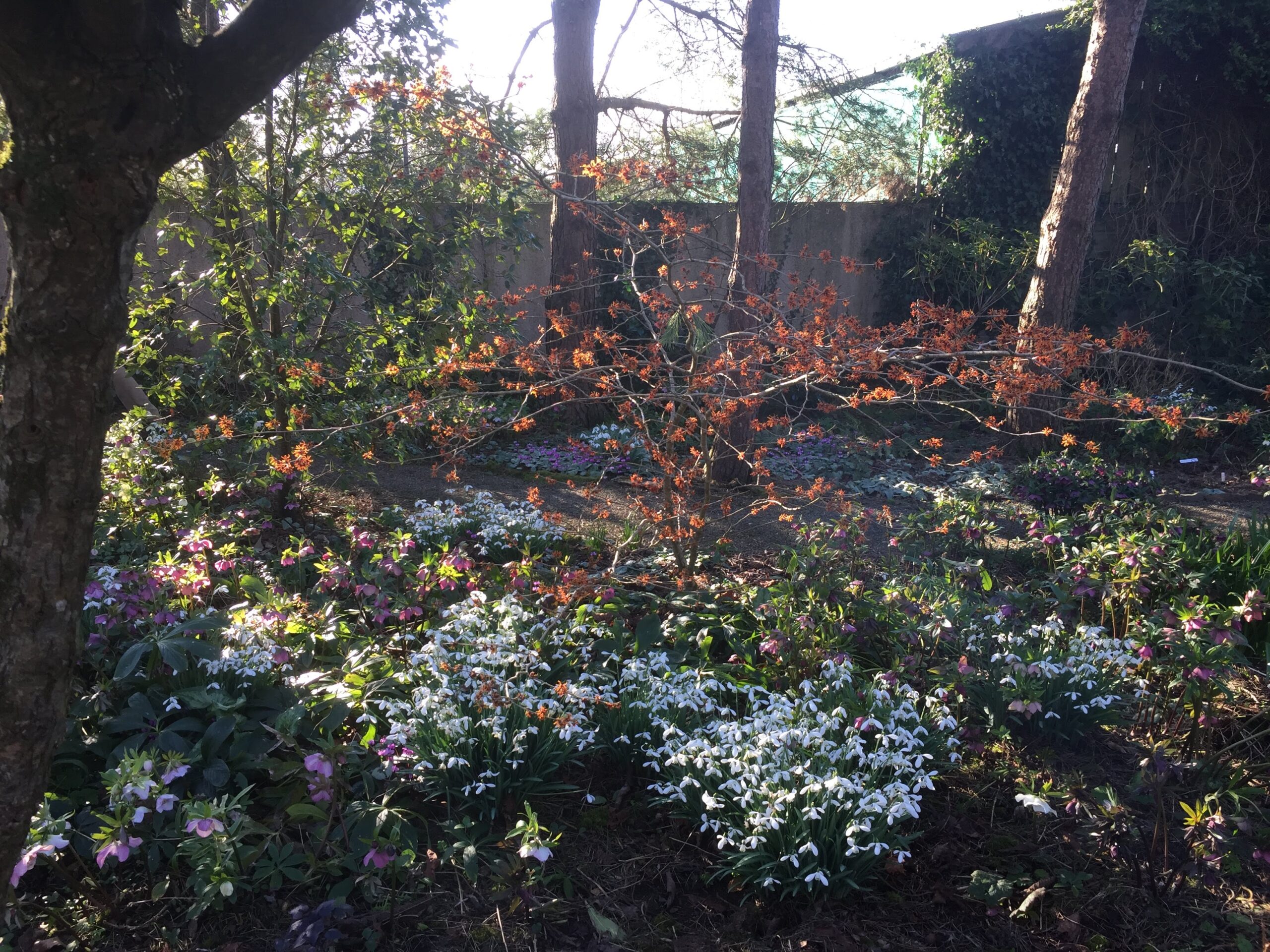
Some of the most entrancing winter moments are created by small plants. Often the first sign of Cyclamen coum is its flowers alone, appearing before the leaves. Helleborus niger, the Christmas rose, opens at the darkest time of year. Then come the winter aconites (Eranthis hyemalis), followed by the living snow of Galanthus, and soon after by Narcissus, Crocus, the little irises, Scilla, and even primroses (Primula vulgaris and P. sibthorpii).
Something fresh is happening every day in the garden, much of it visible if we look closely. For me, knowing that life and renewal are quietly under way is exciting and full of poetry and promise. I love greeting old friends in the winter garden.