
I work across Dorset, Somerset and Devon. Keeping travel sensible means I can give projects proper attention, see them through on site, and provide reliable aftercare.
My garden design work includes projects in West Dorset, South Somerset and parts of Devon, with particular familiarity with the Blackmore Vale, Wriggle Valley, Dorset Downs, Somerset Levels and similar rural landscapes.
Landscapes I know well
Examples, not limits – if you’re nearby (or not on this list), just ask.
-
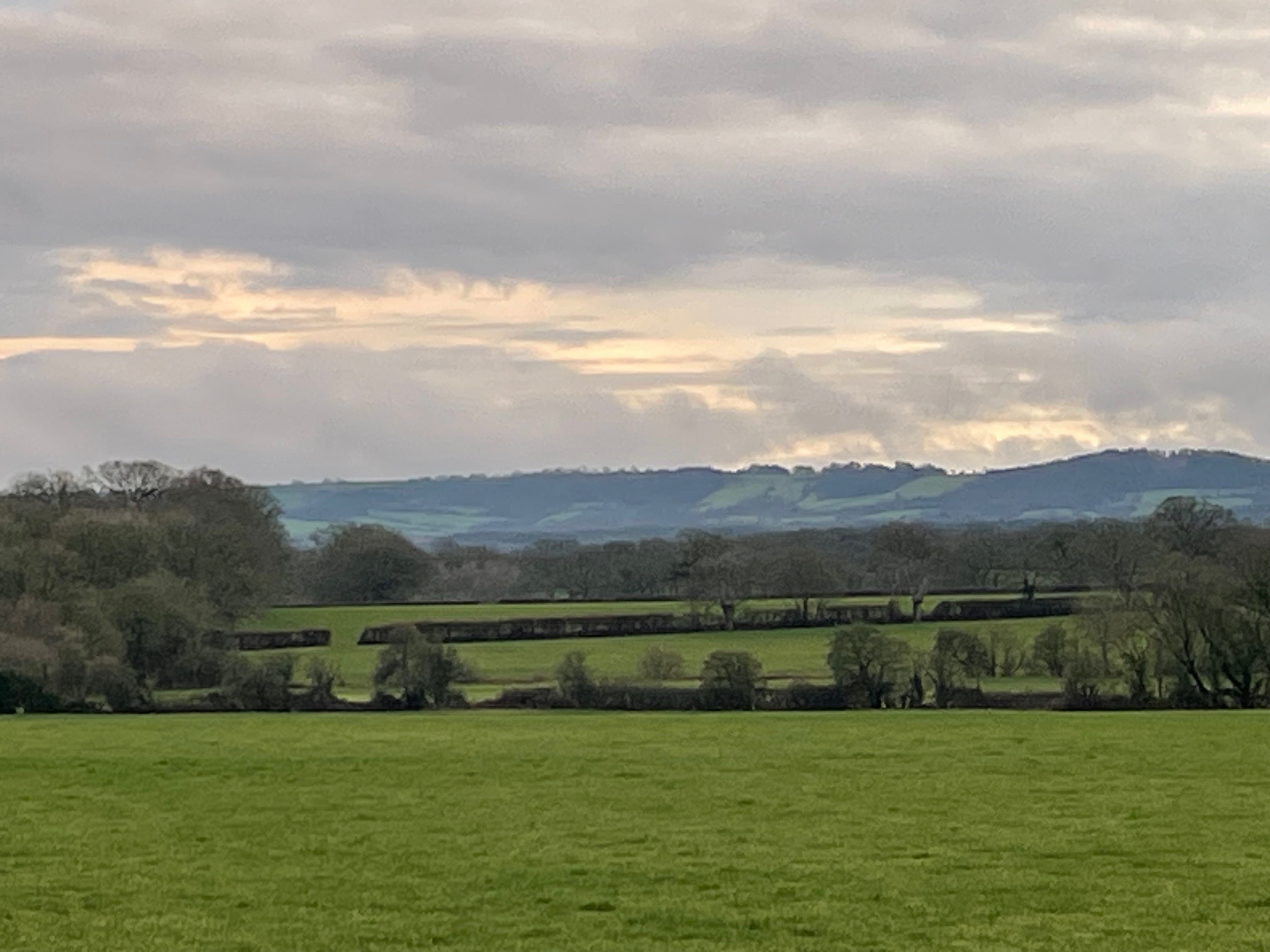
Blackmore Vale
A landscape defined by its rich clay soils, gentle undulations, and a timeless pastoral quality. Small fields, mature hedgerows, and scattered woodlands create a soft, enclosed feel, while the underlying fertility supports the lush grazing land the vale is known for. It’s a setting where traditional countryside patterns remain strongly intact, lending a calm, settled character. Gardens here lend themselves to depth, layering, and long-term development.
-
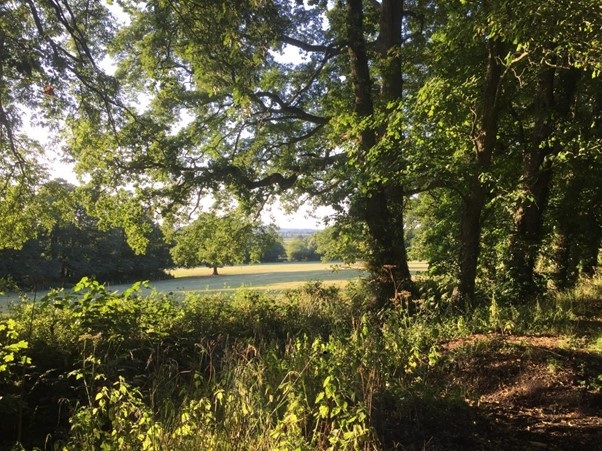
Wriggle Valley
Narrow, winding, and distinctly intimate, the Wriggle Valley has a quiet, hidden charm. Steep sides, dense hedgerows, and a strong sense of enclosure give the landscape a secluded feel. The shifting light, sheltered conditions, and layered vegetation create gardens that feel deeply embedded in their surroundings. Good drainage and clear circulation matter more here than ornament.
-
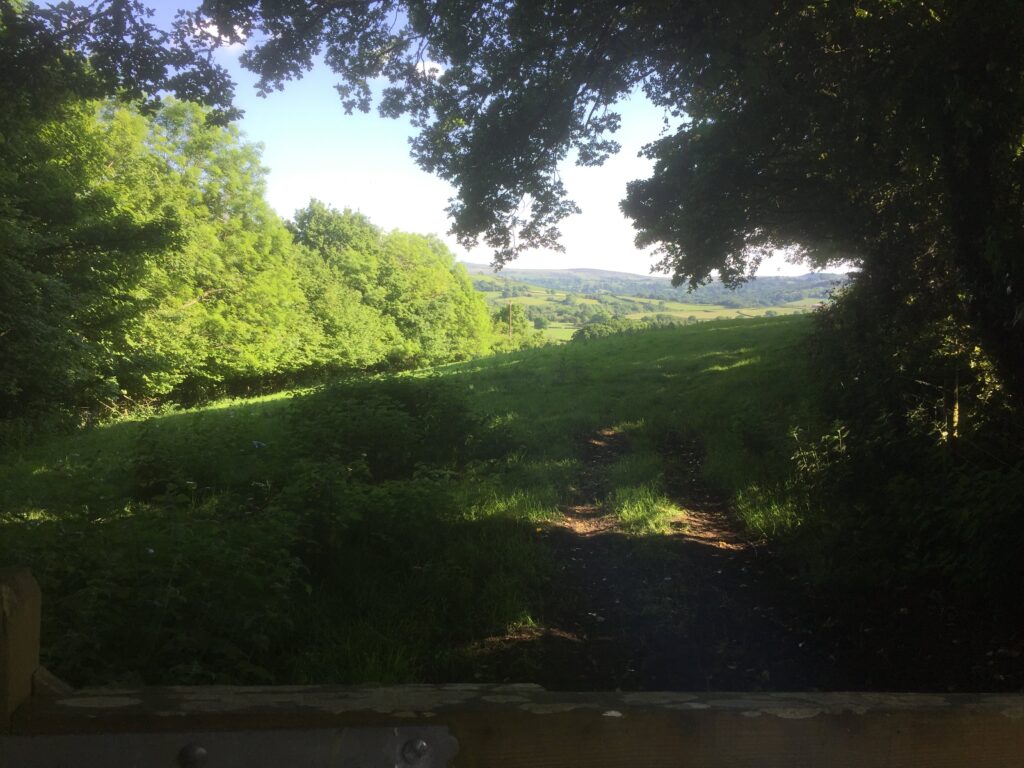
Dartmoor fringe
Where cultivated land meets open moor, this landscape carries a subtle tension between order and wildness. Granite influences, sweeping views, and exposed conditions shape planting choices, while wooded combes and sheltered pockets allow surprising diversity. It’s a place of contrast, texture, and shifting moods. Shelter and soil preparation do most of the hard work before anything decorative is added.
-
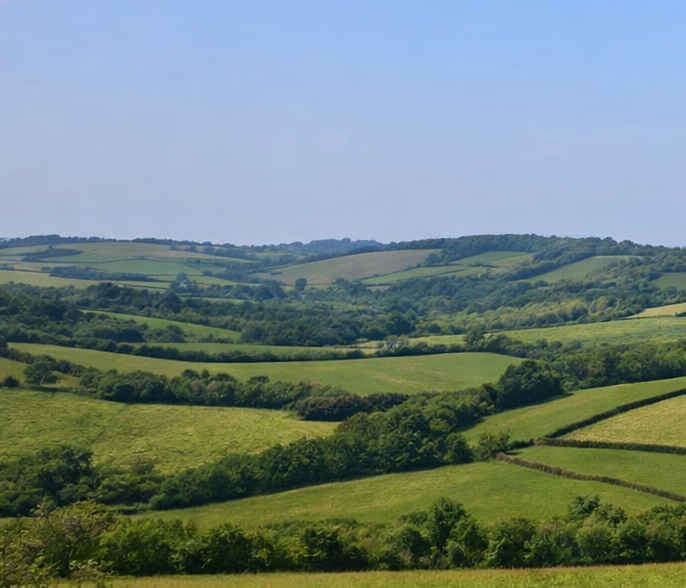
Torridge Culm
The Torridge Culm landscape has a character all of its own — quietly dramatic, deeply rural, and shaped as much by soil as by scenery. Heavy, moisture-retentive culm soils create a patchwork of small, irregular fields, thick hedgebanks, and rolling hills that fold into steep, wooded valleys. The land feels softer and wilder than neighbouring areas, with a strong Atlantic influence bringing wind, rain, and that unmistakable lushness. Culm grasslands, where they survive, are ecologically rich but agriculturally challenging, supporting a remarkable diversity of plant and insect life. It’s a landscape that rewards sensitive management: work with it rather than against it, and it offers texture, depth, and a distinctly natural sense of place.
-
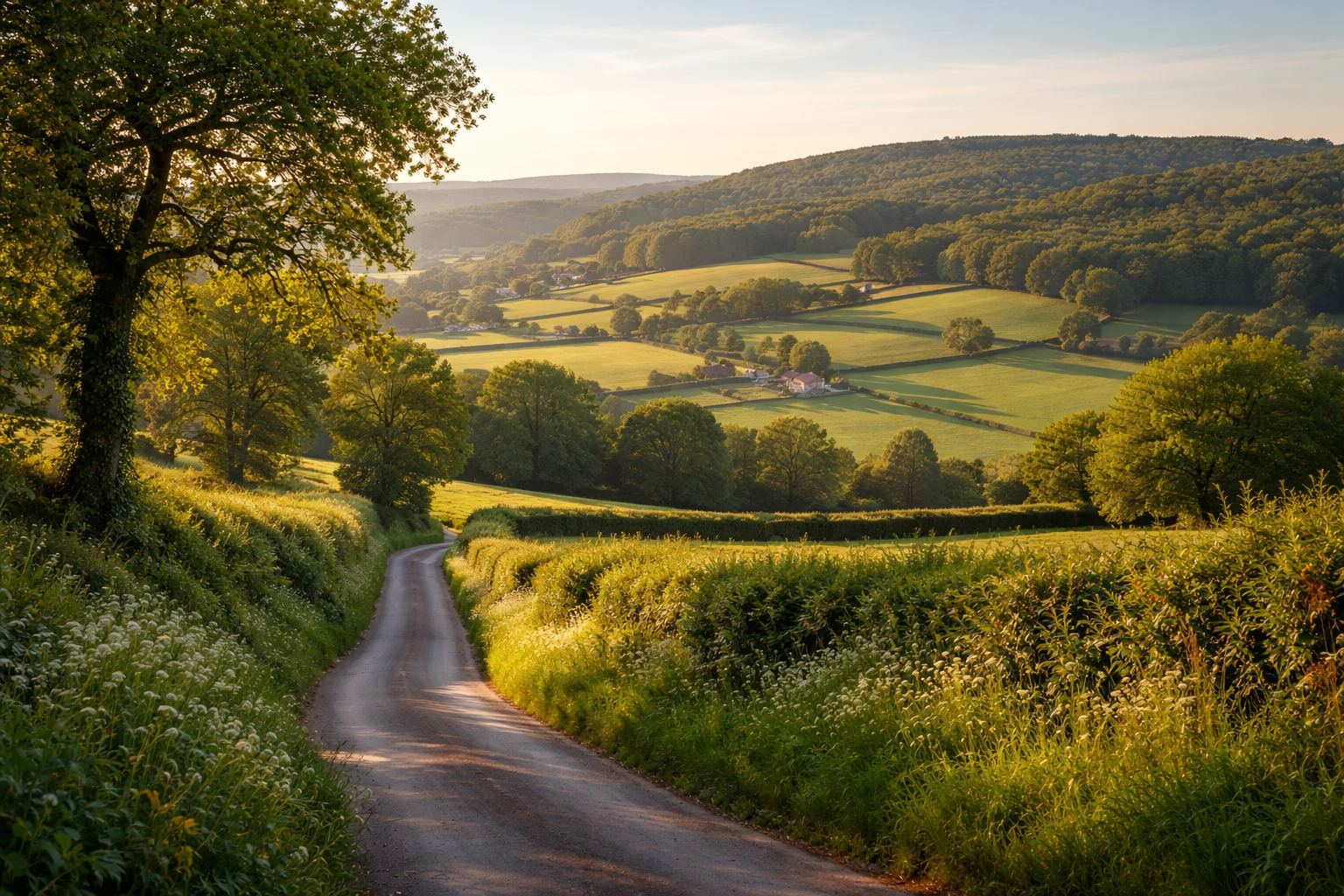
Blackdown Hills
A deeply rural, almost secretive landscape of steep lanes, high hedgebanks, and scattered farms. The terrain feels intricate and enclosed, with sudden glimpses of long views. Strong patterns of woodland and pasture create a layered, textured environment that suits gardens with structure and resilience. Once established, they can be remarkably robust.
-
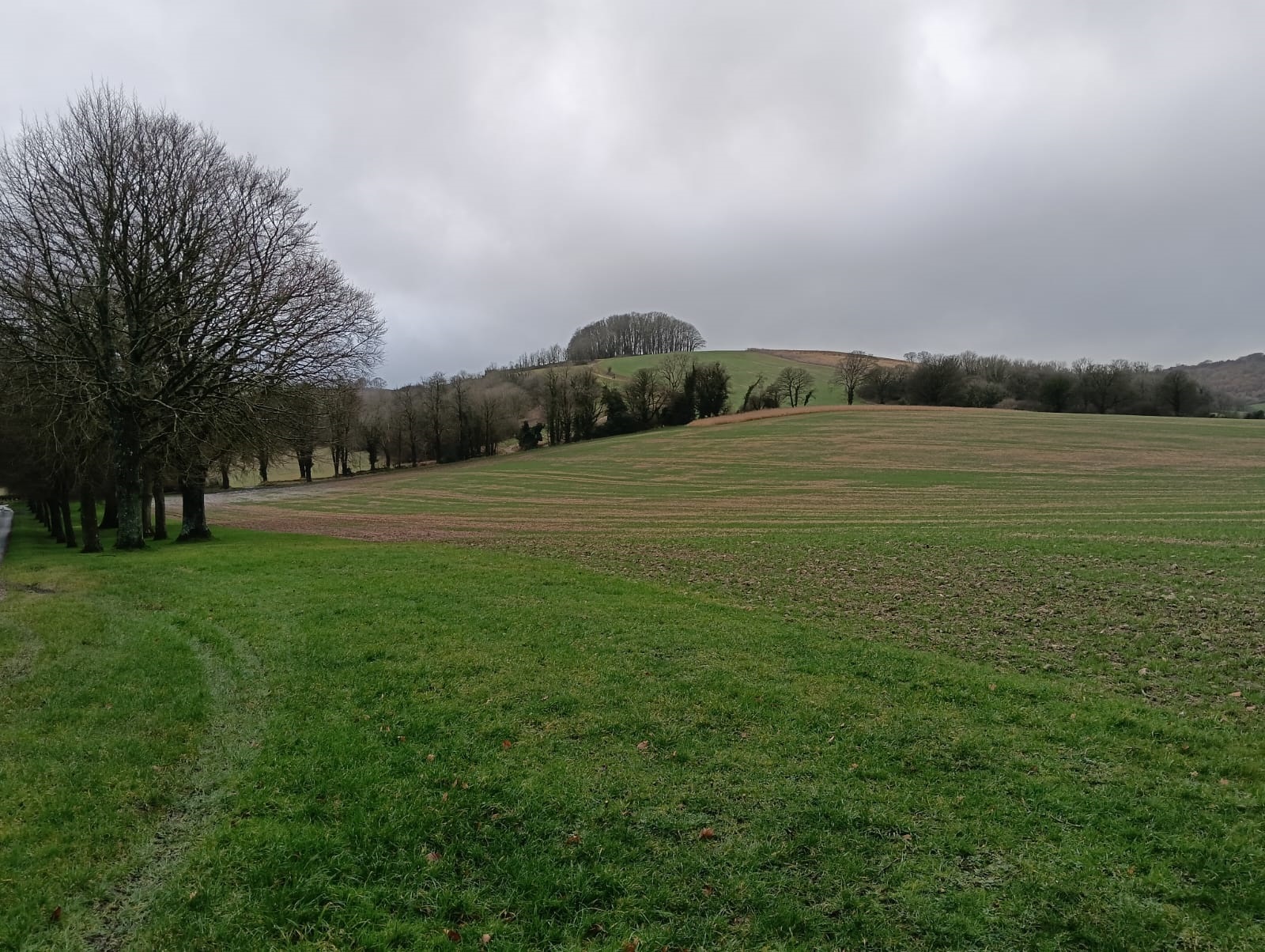
Dorset Downs
Open, rolling chalk hills with a clean, expansive quality. Big skies, dry soils, and long views define the atmosphere, encouraging planting that thrives in light, free-draining conditions. The simplicity of the landform gives gardens clarity, elegance, and a strong sense of exposure.